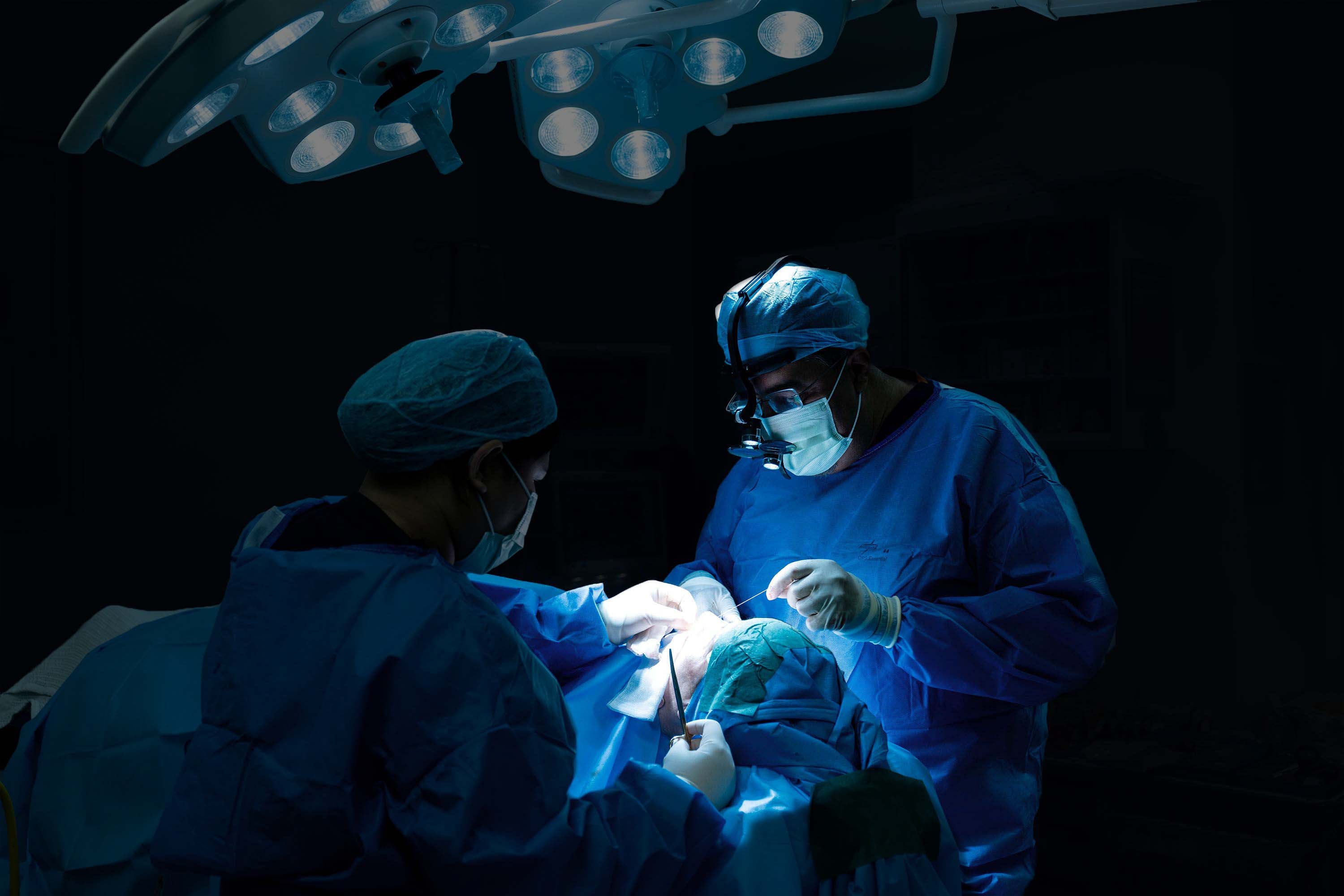
How Is Male Facelift Surgery Different?
Facelift surgery for men requires careful planning because male facial structure, skin thickness, beard growth and hairline position can all affect the surgical approach.
The aim is not simply to tighten the skin, but to restore definition across the lower face and neck while preserving masculine facial character. A natural result should look refreshed, balanced and individual to the patient.


Introduction
Facelift surgery is increasingly considered by men who want to address jowls, loose skin, reduced jawline definition or an ageing neck while still retaining a natural and distinctly masculine appearance.
Although the fundamental principles of facial rejuvenation are similar for men and women, male facelift surgery requires specific planning. Differences in facial structure, beard growth, hairline position, skin thickness and aesthetic goals can all influence the surgical approach.
A specialist facial surgeon will assess the face as a whole and recommend a treatment plan based on anatomy, the degree of ageing and the areas that matter most to the patient.
How Is a Male Facelift Different?
The aim of a male facelift is not simply to tighten the skin. The procedure should restore definition and reduce visible ageing without softening the features or creating an over-treated appearance.
Men often have thicker skin, stronger facial muscles and heavier tissues around the lower face and neck. They may also place greater emphasis on a defined jawline and a natural transition between the face and neck.
Careful surgical planning is therefore needed to preserve masculine proportions while repositioning deeper tissues and removing only the appropriate amount of excess skin.
What Concerns Can Male Facelift Surgery Address?
Men may consider facial rejuvenation when they notice:
• Jowls or loss of definition along the jawline
• Loose skin across the lower face
• Deep folds around the mouth
• Sagging beneath the chin
• Visible neck bands or loose neck skin
• A tired or heavier appearance that does not reflect how they feel
• Reduced separation between the jawline and neck
The correct procedure depends on where the ageing changes are concentrated. Some men need targeted treatment of the lower face, while others benefit from combining facial and neck surgery.
Which Type of Facelift May Be Suitable for Men?
There is no single facelift procedure that suits every patient. The available options differ in the areas treated and the amount of correction they can provide.
Mini Facelift
A mini facelift may suit men with early jowling, mild skin laxity and good underlying skin quality. It focuses on the lower face and typically involves a more limited correction than a full facelift.
This may be appropriate for younger patients or those wanting subtle improvement, but it is not designed to correct advanced facial or neck ageing.
Lower Facelift
A lower facelift concentrates on the lower third of the face, particularly the jowls, jawline and areas around the mouth. It can help restore a cleaner, firmer transition along the lower face.
Men who are mainly concerned about jawline definition and lower-face heaviness may benefit from this more focused approach.
Full Facelift
A more comprehensive facelift surgery may be recommended when ageing affects several areas of the face. The deeper tissues can be repositioned to restore facial contours rather than relying on skin tightening alone.
The procedure is planned to create a refreshed result while maintaining the patient’s natural facial character.
Neck Lift
A neck lift may be performed on its own or alongside a facelift when the main concerns include loose neck skin, muscle banding, excess fullness beneath the chin or reduced jawline definition.
Combining lower-face and neck treatment can create a smoother and more balanced transition when both areas show signs of ageing.
Why Beard Growth and Hairline Position Matter
Incision planning is especially important in male facelift surgery. Beard-bearing skin can be repositioned during surgery, so the surgeon must consider how facial hair grows around the ears and sideburns.
The hairline and sideburn position should also remain natural. Poorly placed incisions or excessive skin movement can alter these features, which is why detailed planning and precise closure are essential.
Scars are generally positioned around natural creases and the ear, but their exact placement is tailored to the individual patient.
Will a Male Facelift Look Natural?
A natural result should preserve expression, facial identity and masculine definition. Modern facelift surgery works with the deeper tissue layers rather than pulling the skin tightly across the face.
The goal is to restore facial support and improve contours without creating a stretched or artificial appearance. Subtle changes are often especially important to male patients who want to look fresher without appearing noticeably different.
What Happens During a Male Facelift Consultation?
The consultation should include a detailed assessment of the face, neck, skin quality and underlying structure. The surgeon will discuss the areas causing concern and explain which procedures are capable of addressing them.
Important considerations may include:
• The degree of jowling and skin laxity
• Jawline and chin proportions
• Neck muscle banding or excess skin
• Hairline, sideburn and beard-growth patterns
• Previous facial procedures or scars
• General health, medication and smoking history
• Expected recovery time and treatment goals
At Symmetry Clinic, facial procedures are planned by Mr Santdeep Paun, a Consultant Nasal and Facial Plastic Surgeon with a specialist focus on surgery of the face and neck.
What Is Recovery Like After a Male Facelift?
Recovery varies according to the procedure performed and whether facial and neck surgery are combined. Swelling, bruising, tightness and temporary changes in sensation are expected during the early healing period.
Many patients need approximately two to three weeks before returning to normal social and professional activities, although residual swelling may continue to settle for longer. The final result develops gradually as the tissues heal and soften.
Patients receive individual aftercare instructions covering wound care, activity, sleeping position and follow-up appointments.
How Long Can the Results Last?
Facelift surgery cannot stop the natural ageing process, but the improvements can last for many years. The longevity of the result depends on the type of procedure, skin quality, lifestyle, sun exposure, weight stability and individual ageing patterns.
Maintaining a healthy lifestyle and following appropriate skincare and sun-protection measures can support the result over time.
Considering Male Facelift Surgery in London?
The most appropriate facial rejuvenation procedure depends on your anatomy, the areas affected and the degree of correction required. A specialist consultation allows the face and neck to be assessed together and provides a realistic explanation of the available options.
Explore facelift surgery at Symmetry Clinic or arrange a consultation to discuss a personalised treatment plan.
FAQs
Articles
Opening Hours
MONDAY
9 am - 6pm
TUESDAY
9 am - 6pm
WEDNESDAY
9 am - 6pm
THURSDAY
9 am - 6pm
FRIDAY
9 am - 6pm
SATURDAY
Closed
SUNDAY
Closed
Harley Street
9 Harley Street
London
W1G 9AL
Tel: +442074070660
London Shard
6th Floor, Suite 651 , HCA at The Shard
St Thomas Street
London
SE1 9BS
Tel: +442074070660

Our Clinic
Symmetry Clinic
9 Harley Street
London
W1G 9AL
Disclaimer: Results may vary from person to person and treatment to treatment