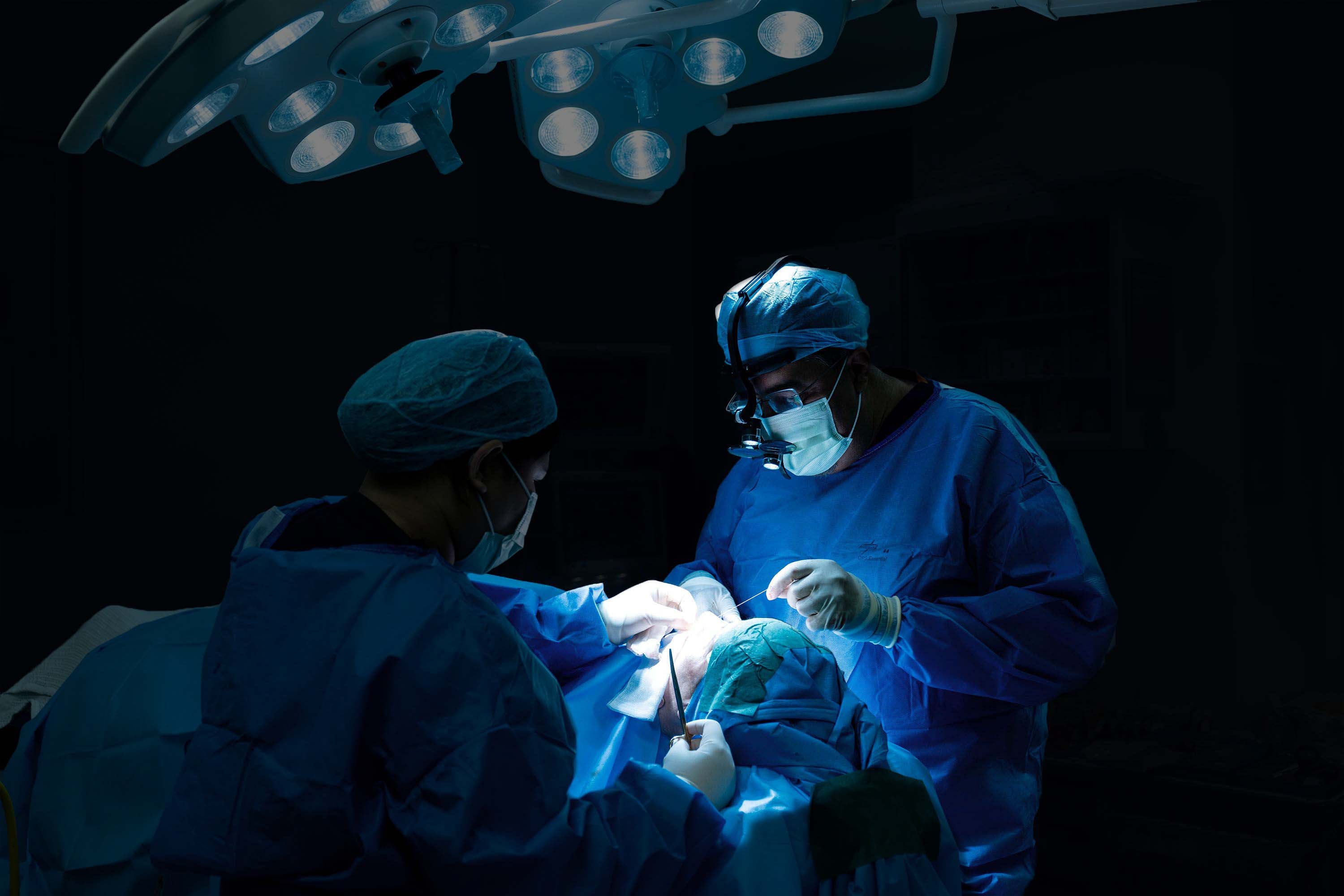
1. What Is Your Experience With Rhinoplasty?
Ask how much of the surgeon's practice involves rhinoplasty and whether they regularly manage the type of concern you have.
Primary rhinoplasty, revision rhinoplasty, functional nasal surgery and complex tip work can require different experience.
2. Will You Be the Surgeon Performing My Operation?
The Royal College of Surgeons advises patients to meet the surgeon who will perform the procedure before giving consent.
Make sure the person advising you in consultation is the person responsible for the surgical plan and operation.
3. What Do You Think Is Actually Causing My Concern?
A visible feature may involve the nasal bones, cartilage, septum, skin thickness or several structures together.
Understanding the cause helps explain why a particular surgical approach is being recommended.
4. How Will You Assess My Breathing?
Rhinoplasty can be cosmetic, functional or both. If you have obstruction, congestion or breathing asymmetry, raise it clearly.
The internal septum and nasal support may need to be assessed rather than focusing only on photographs.
5. Do I Need Open or Closed Rhinoplasty?
Open rhinoplasty uses a small external columellar incision as well as internal incisions, while closed rhinoplasty is performed through internal incisions.
Neither approach is automatically better. Ask why one technique is considered more suitable for your anatomy and goals.
6. What Can Surgery Realistically Change?
Rhinoplasty has limits. Skin thickness, cartilage strength, facial proportions, previous surgery and healing all affect what can be achieved.
Ask what the surgeon expects to improve, what may remain imperfect and how they define a proportionate result.
7. What Are the Main Risks in My Case?
The NHS notes that rhinoplasty carries risks including bleeding, infection, changes in smell, breathing problems and complications related to anaesthesia, among others.
Your surgeon should explain which risks are most relevant to the specific plan and how complications would be managed.
8. What Should I Expect During Recovery?
Ask about splints or dressings, time away from work, swelling, bruising, exercise restrictions and follow-up appointments.
The NHS advises that visible recovery occurs over weeks while swelling and the final result can continue to change for months. Individual recovery varies.
Patients comparing pricing and recovery considerations can also read our guide to rhinoplasty cost in London.
9. What Aftercare Is Included?
Understand who you contact if you are worried, how many follow-up appointments are planned and what happens if a complication or concern develops.
Aftercare is part of the surgical pathway, not an optional extra.
10. How Do You Use Photography or 3D Imaging?
Photography and 3D imaging can help discuss proportions and possible changes, but they are planning and communication tools rather than a guarantee of the final result.
Ask how images are used and what limitations the surgeon wants you to understand.
11. What Happens If I Am Not Ready to Decide?
You should not feel pressured to book surgery quickly. The Royal College of Surgeons recommends taking time to think after consultation and warns against pressure from limited-time offers or discounts.
A good consultation should leave room for questions and reflection.
A Short Consultation Checklist
- Surgeon's relevant experience.
- Who performs the operation.
- What structures are causing the concern.
- Breathing and septal assessment.
- Open vs closed approach and why.
- Realistic benefits and limitations.
- Risks and complication management.
- Recovery and follow-up.
- Hospital/clinic setting and regulation.
- Time to think before deciding.
Final Thoughts
The purpose of a rhinoplasty consultation is not to persuade a patient to have surgery. It is to establish whether surgery is appropriate and whether the patient understands the plan, risks, recovery and likely limitations.
Symmetry Clinic provides specialist rhinoplasty surgeon London consultations with Mr Santdeep Paun. Patients should use the consultation to ask questions, discuss both appearance and function and take the time they need before making a decision.
Contact Symmetry Clinic to arrange a rhinoplasty consultation in London.