Rhinoplasty Surgery London | Nose Correction Surgeon | Harley Street | Nose Reshaping & Thinning | Symmetry Clinic

Tip Rhinoplasty in London: What Can Nose Tip Surgery Change?

Tip rhinoplasty can refine concerns such as a bulbous, drooping, wide or asymmetrical nasal tip while keeping the nose balanced with the rest of the face.

What Is Tip Rhinoplasty?

Tip rhinoplasty is nose reshaping surgery focused primarily on the lower third of the nose. This includes the cartilage that creates the shape, support, projection and rotation of the nasal tip.


The procedure may be considered when the main concern is a bulbous, drooping, wide, over-projected or asymmetrical nasal tip. The aim is not simply to make the nose smaller, but to refine the tip in a way that remains natural and balanced with the rest of the face.

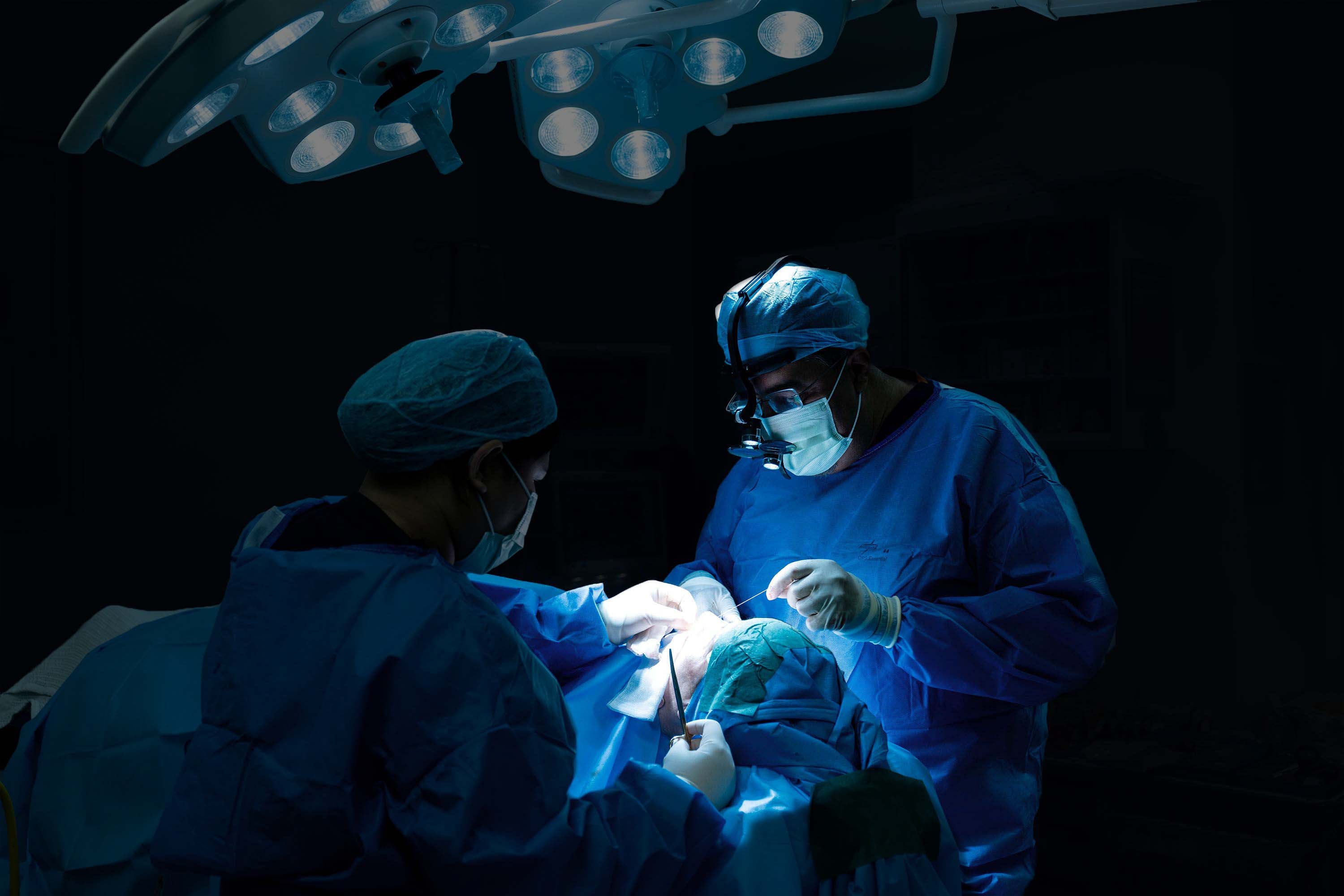
Image to accompany text

Introduction

The nasal tip has a major influence on the overall shape and balance of the nose. Even when the bridge appears straight, a tip that looks broad, bulbous, drooping, over-projected or uneven can draw attention and affect how the nose relates to the rest of the face.

For patients considering tip rhinoplasty in London, the aim is not simply to make the tip smaller. Nose tip surgery is a detailed form of rhinoplasty that reshapes and supports the cartilage at the lower part of the nose, with the goal of creating a natural result that remains proportionate to the patient’s facial features.

Some patients may need treatment focused mainly on the tip. Others may benefit from a full rhinoplasty because the bridge, nasal bones, septum, nostrils or breathing function also need to be considered. The most appropriate plan can only be established after a specialist assessment of the external shape and internal structure of the nose.

This guide explains what nasal tip refinement may change, which concerns it can address, how surgery is planned and what patients should understand before arranging a consultation.

What Can Nose Tip Surgery Change?

Nose tip surgery can address several features, but the realistic degree of change depends on the individual nasal structure and skin envelope. A specialist rhinoplasty surgeon should explain both what can be improved and what limitations apply.

A bulbous or poorly defined nasal tip

A bulbous nasal tip may appear rounded, broad or lacking in definition. This can be influenced by the width and shape of the lower lateral cartilages, the angle at which they meet and the thickness of the overlying skin.

Bulbous nose tip surgery may refine the cartilage framework so the tip appears more defined and better balanced with the bridge. The aim should be controlled refinement rather than an unnaturally narrow or pinched appearance.

A drooping or downward-pointing tip

A drooping tip can make the nose appear longer and may become more noticeable when smiling. It can relate to cartilage position, support, muscle activity or the angle between the nose and upper lip.

Drooping nose tip surgery may involve adjusting the rotation of the tip and strengthening its support. The intended change should suit the patient’s profile and avoid an excessively upturned appearance.

An over-projected tip

Projection describes how far the nasal tip extends forward from the face. When the tip is over-projected, the nose may look prominent even if the bridge itself is not particularly large.

Surgery may reduce or rebalance projection by changing the shape and position of the supporting cartilage. This must be planned carefully because excessive reduction can weaken support and affect both appearance and breathing.

An under-projected or weakly supported tip

Some patients have a tip that appears flat, lacks projection or has insufficient structural support. In these cases, treatment may involve strengthening rather than reducing the cartilage framework.

Cartilage grafting may be considered where additional support or definition is needed. The choice of technique depends on the patient’s anatomy and whether any functional concerns are also present.

Tip asymmetry

The nasal tip may appear uneven because the cartilages differ in size, shape or position. Previous injury, natural facial asymmetry or earlier rhinoplasty can also contribute.

Surgery may improve symmetry by reshaping or repositioning the cartilage, but perfectly identical sides cannot be guaranteed. Every face contains natural asymmetry, and this should be considered during planning.

A wide nasal tip

A wide tip may result from broad cartilage, the distance between tip-defining points or the shape of the nostril base. Nasal tip refinement can sometimes narrow the appearance of the lower nose, but the tip and nostrils need to be assessed together.

Where nostril width is a separate concern, alar base reduction may be discussed. This is a distinct procedure and is not automatically required as part of tip rhinoplasty.

An uneven or distracting tip shape following previous surgery

Previous rhinoplasty can leave concerns such as asymmetry, excessive narrowing, loss of support, visible cartilage edges or an unnatural tip position. Correcting these issues falls within revision rhinoplasty and is usually more complex than primary nose tip surgery.

Scar tissue, altered anatomy and limited remaining cartilage may affect the surgical options. Patients considering revision treatment require detailed examination and realistic planning.

Can Tip Rhinoplasty Make the Nose Smaller?

Tip rhinoplasty can make the lower part of the nose appear more refined, less projected or less rounded. However, it does not necessarily reduce the overall nose in the same way as a full reduction rhinoplasty.

A nose may still appear large if the bridge is high, long or wide, even after the tip has been refined. Similarly, reducing the bridge without addressing a prominent tip may leave the nose looking unbalanced.

During consultation, the surgeon should assess the whole nose rather than focusing on one feature in isolation. The most natural result usually comes from maintaining proportion between the tip, bridge, nostrils and surrounding facial structure.

Tip Rhinoplasty vs Full Rhinoplasty

The difference is the extent of the surgical plan.

Tip rhinoplasty focuses mainly on the lower cartilage framework. A full rhinoplasty may also involve the bridge, nasal bones, septum, nostrils or internal structures that affect airflow.

Tip-focused treatment may be considered when:

  • The main concern is confined to the nasal tip
  • The bridge is already proportionate and does not need reshaping
  • There is no major crookedness or bony asymmetry
  • Breathing function does not require broader structural correction
  • The desired change can be achieved without altering the nasal bones

A full rhinoplasty may be more appropriate when:

  • A dorsal hump or bridge irregularity is present
  • The nose is crooked or deviated
  • The nasal bones need narrowing or repositioning
  • Breathing problems or septal deviation need correction
  • Both the tip and bridge require coordinated changes
  • The patient has complex anatomy or previous surgery

The terminology should not determine the operation. The surgeon should recommend the smallest appropriate procedure that can safely address the patient’s concerns while maintaining structural support and normal function.

Open or Closed Tip Rhinoplasty?

Nasal tip surgery may be performed through an open or closed approach. Neither method is automatically better for every patient.

In closed rhinoplasty, incisions are placed inside the nostrils. This avoids an external incision and may be suitable for selected patients requiring limited or controlled refinement.

Open rhinoplasty uses a small incision across the columella, the strip of skin between the nostrils, in addition to internal incisions. This allows the surgeon to lift the skin and directly view the cartilage framework. It may be recommended for detailed tip reconstruction, significant asymmetry, complex support work or revision surgery.

The choice depends on the anatomy and the change required, not simply on a preference for one technique. The surgeon should explain why the recommended approach offers the safest and most predictable access for the individual case.

Can Tip Rhinoplasty Improve Breathing?

Tip rhinoplasty is often discussed as a cosmetic procedure, but the nasal tip also contributes to the support of the external nasal valves. Poor support, collapse or previous over-reduction can affect airflow in some patients.

Where breathing is a concern, the internal nose must be assessed as part of the consultation. Functional correction may involve supporting the nasal valves, addressing a deviated septum or combining tip work with a broader functional rhinoplasty.

Patients should describe any obstruction, mouth breathing, exercise-related difficulty or previous nasal trauma rather than assuming that the concern is purely cosmetic.

Who May Be Suitable for Tip Rhinoplasty?

Potential candidates are generally adults whose facial growth is complete, who are in suitable general health and who have a specific concern that can realistically be addressed through surgery.

A suitable patient should also:

  • Have realistic expectations rather than seeking perfection
  • Understand that swelling can take time to settle
  • Be willing to follow pre-operative and aftercare instructions
  • Disclose previous nasal surgery, injury and breathing symptoms
  • Avoid smoking or follow the surgeon’s guidance on nicotine use
  • Understand the risks, limitations and possibility of revision

Suitability cannot be determined from photographs or an online description alone. A face-to-face assessment allows the surgeon to examine the cartilage, skin, septum, airflow and facial proportions.

What Happens During a Tip Rhinoplasty Consultation?

A specialist consultation should begin with the patient’s concerns and goals. The surgeon will normally assess the nose from the front, side and base, as well as how the tip changes during facial expression and smiling.

The assessment may include:

  • External nasal shape and facial balance
  • Tip projection, rotation, width and symmetry
  • Skin thickness and cartilage strength
  • The relationship between the tip and bridge
  • Nostril shape and alar base width
  • Septal position and internal airflow
  • Previous trauma, surgery or medical treatment
  • General health and suitability for anaesthesia

At Symmetry Clinic, consultation with Mr Santdeep Paun includes 3D imaging to support discussion of possible changes. Imaging is a planning and communication tool; it does not guarantee the precise final result because healing and tissue response vary between patients.

What Does Tip Rhinoplasty Recovery Involve?

Recovery varies according to whether surgery is limited to the tip or combined with wider rhinoplasty work. Patients may experience swelling, congestion, tenderness, numbness and bruising during the early healing period.

A splint or dressing may be used, particularly where broader nasal work has been completed. The nasal tip can retain swelling longer than other parts of the nose, especially where the skin is thicker or substantial tip work has been performed. Early changes should not be treated as the final result.

The nose continues to settle gradually, and the definitive tip shape may take many months to become clear. For general background on the procedure and recovery, patients can also read NHS guidance on rhinoplasty.

Patients should follow their own post-operative plan regarding sleeping position, nose blowing, exercise, glasses, sun exposure, wound care and follow-up appointments.

Will Tip Rhinoplasty Leave a Scar?

With a closed approach, incisions are placed inside the nostrils and there is no external columellar scar. With an open approach, a small incision is made across the columella.

The scar from an open approach is usually positioned in a discreet area and generally fades as healing progresses, but no surgeon can promise that a scar will be completely invisible. Scar quality varies according to healing, skin type, aftercare and individual biology.

The choice of approach should be based on the access needed for safe, accurate surgery rather than scar avoidance alone.

What Are the Risks of Nose Tip Surgery?

Tip rhinoplasty is a surgical procedure and carries risks. These should be discussed in detail during consultation and before consent.

Possible risks and limitations can include:

  • Bleeding or infection
  • Persistent swelling or numbness
  • Visible or internal scarring
  • Asymmetry or irregularity
  • A result that differs from expectations
  • Changes in breathing or nasal support
  • Need for additional treatment or revision surgery
  • Anaesthetic complications
  • Altered sensation or smell
  • Delayed healing

Choosing an appropriately qualified surgeon and following aftercare instructions can reduce risk, but no surgical result can be guaranteed.

How Much Does Tip Rhinoplasty Cost in London?

The cost of nose tip surgery London patients are quoted depends on the complexity of the correction, the surgical approach, hospital and anaesthetic fees, whether functional work is needed and whether the procedure is primary or revision surgery.

A small tip refinement is not automatically inexpensive or straightforward. Rhinoplasty requires detailed planning because minor changes can have a significant effect on facial balance and nasal support.

A personalised surgical quotation is provided after assessment. Prices and inclusions should always be confirmed directly with the clinic because they may change.

Patients comparing broader pricing information can also read our guide to rhinoplasty cost in London.

Choosing a Rhinoplasty Surgeon in London

Tip surgery requires an understanding of both facial aesthetics and nasal function. When comparing surgeons, patients should consider:

  • Specialist experience in primary and revision rhinoplasty
  • Understanding of nasal breathing and structural support
  • The quality and depth of the consultation
  • Whether the surgeon performs the operation personally
  • How realistic outcomes and limitations are explained
  • The hospital setting and anaesthetic arrangements
  • The follow-up and aftercare included
  • How complications or concerns would be managed

Patients should feel able to ask questions, take time to consider the advice and avoid pressure to proceed quickly. The objective should be a safe, proportionate and individually planned result, not a standardised nose shape.

Tip Rhinoplasty at Symmetry Clinic

Symmetry Clinic provides specialist rhinoplasty care in London from Harley Street and The Shard. Treatment is led by Consultant Nasal and Facial Plastic Surgeon Mr Santdeep Paun, who assesses and performs each rhinoplasty procedure himself.

The clinic’s approach considers appearance, structure and breathing together. Where the patient’s concern is focused on the nasal tip, the consultation will establish whether tip rhinoplasty alone is appropriate or whether broader nose reshaping would produce a safer and more balanced outcome.

Planning may include detailed examination, photography and 3D imaging to help the patient understand the proposed direction of treatment. The final surgical plan remains based on anatomy, function and realistic clinical judgement.

Book a Tip Rhinoplasty Consultation in London

If you are considering nasal tip refinement for a bulbous, drooping, wide, over-projected or asymmetrical tip, the next step is a specialist assessment.

A consultation allows you to discuss what concerns you, understand which changes may be achievable and learn whether tip rhinoplasty, full rhinoplasty or a non-surgical alternative is most appropriate.

Contact Symmetry Clinic to arrange a consultation with Mr Santdeep Paun at Harley Street or The Shard in London.

FAQs

Articles

Opening Hours

  • MONDAY

    9 am - 6pm

  • TUESDAY

    9 am - 6pm

  • WEDNESDAY

    9 am - 6pm

  • THURSDAY

    9 am - 6pm

  • FRIDAY

    9 am - 6pm

  • SATURDAY

    Closed

  • SUNDAY

    Closed

Harley Street

9 Harley Street

London 

W1G 9AL

Tel: +442074070660

London Shard

6th Floor, Suite 651 , HCA at The Shard

St Thomas Street

London

SE1 9BS

Tel: +442074070660

logo

Our Clinic


Symmetry Clinic

9 Harley Street

London

W1G 9AL

© 2026 2025 Symmetry Clinic

Disclaimer: Results may vary from person to person and treatment to treatment