Menu
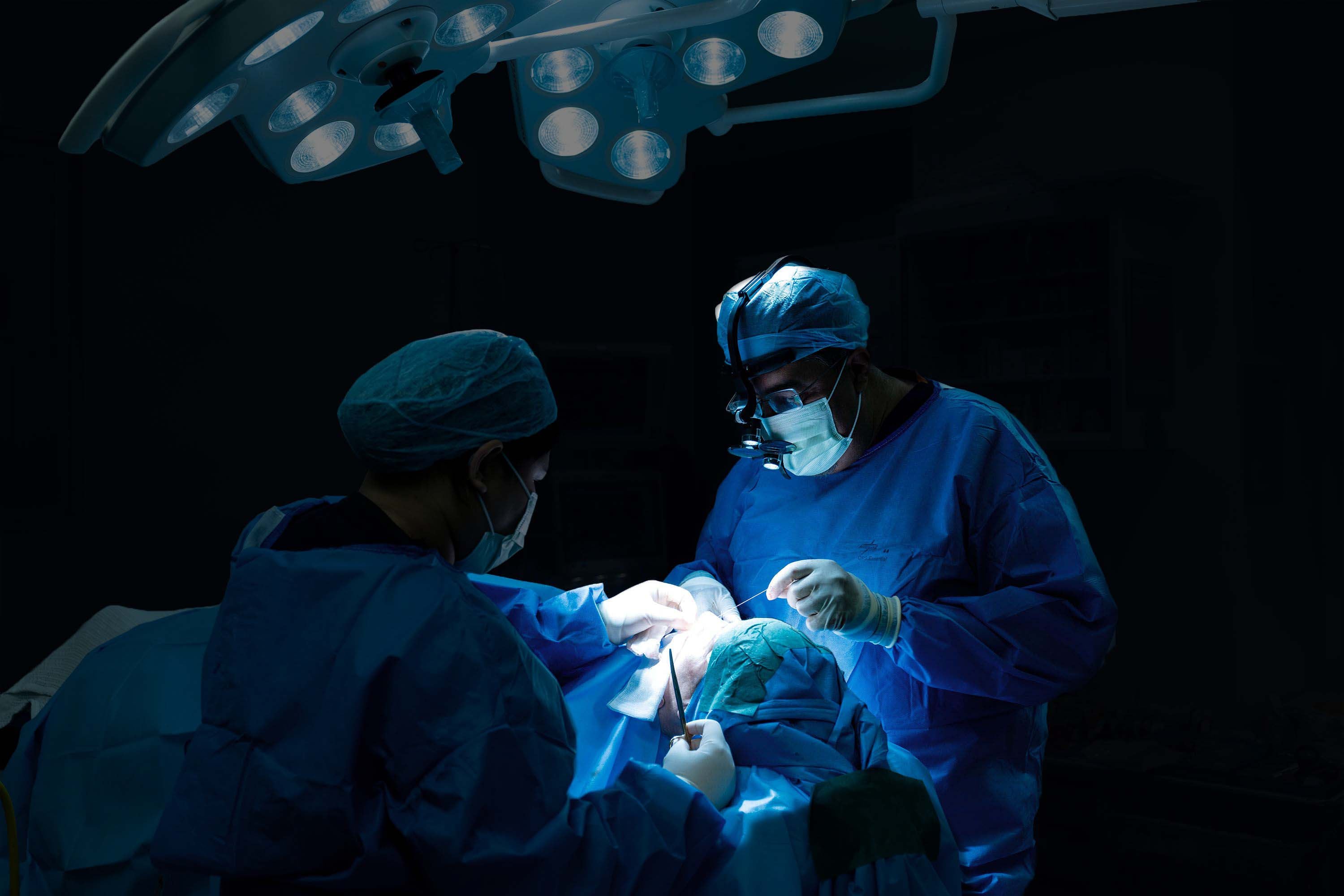
How Long Does Rhinoplasty Recovery Take? A Week-by-Week Timeline
A week-by-week guide to rhinoplasty recovery, including swelling, bruising, returning to work, exercise and when results gradually settle.
Understanding Rhinoplasty Recovery
Rhinoplasty recovery is gradual rather than instant. Many patients return to desk-based work within one to two weeks, but swelling and nasal refinement can continue for several months or longer.
This guide explains the typical recovery stages, what may happen week by week and why your surgeon’s own aftercare instructions should always take priority.


What Affects Rhinoplasty Recovery Time?
There is no single recovery schedule that applies to every patient. The rate at which swelling settles and the nose begins to feel normal can be influenced by:
- The extent of the reshaping performed during surgery
- Whether nasal bones, cartilage or both were adjusted
- The thickness of the skin and the way the individual tends to swell
- The patient’s general health and normal healing response
- Whether the procedure also addressed breathing or internal nasal structures
- How closely aftercare instructions are followed
- Whether the nose is protected from pressure, impact and strenuous activity during healing
A recovery timeline should therefore be treated as a guide rather than a promise. Your surgeon can explain which milestones are realistic for your procedure and circumstances.
The First 24 to 48 Hours After Rhinoplasty
The first two days are normally focused on rest and protecting the nose. A splint or dressing may be in place and the nose can feel blocked because of internal swelling. Bruising may begin to appear around the eyes and cheeks. Some patients experience mild blood-stained discharge during the early period.
You may be advised to rest with your head elevated, avoid bending forward and take prescribed or recommended medication exactly as directed. You should not blow your nose unless your clinical team confirms that it is safe to do so. Arrange for help with transport and everyday tasks because you should not drive immediately after a general anaesthetic.
Days Three to Seven
Swelling and bruising can look most noticeable during the first week before gradually beginning to improve. Nasal congestion, pressure and reduced airflow are common while the internal tissues remain swollen. The nose may also feel stiff or numb.
A review is commonly arranged around the end of the first week. Depending on the operation and the surgeon’s instructions, the external splint may be removed and any non-dissolving stitches may be reviewed or removed. The nose will not represent the final result at this stage. It can look swollen, uneven or more upturned than expected while the tissues settle.
Week Two
By the second week, many patients notice a meaningful reduction in visible bruising and feel ready to return to desk-based work or quiet social activities. Some swelling will remain, particularly around the nasal tip, and makeup should only be used on healing skin when the clinical team has confirmed that it is appropriate.
The nose must still be protected carefully. Avoid pressure from glasses if your surgeon has advised this, do not take part in activities where the nose could be knocked and continue sleeping in the position recommended by your surgical team.
Weeks Three and Four
During weeks three and four, much of the obvious bruising and facial swelling has usually improved. The nose may begin to look more natural in everyday situations, although the patient will often notice swelling or small changes that are not obvious to other people.
Light activity may be reintroduced when approved by the surgeon. Swimming, gym work and other exercise should not be restarted simply because the nose looks better. Internal healing is still taking place and increased blood pressure, accidental contact or pressure on the nose may interfere with recovery.
Weeks Four to Six
Many patients are gradually cleared to resume more demanding exercise during this period. The exact timing depends on the surgery and how healing is progressing. Contact sports and activities with a higher risk of facial impact may need to be avoided for longer.
Breathing often continues to improve as internal swelling decreases. Temporary numbness or stiffness can still be present and the nasal tip may remain swollen. These symptoms do not automatically indicate a problem, but anything unexpected or worsening should be discussed with the clinic.
Two to Three Months After Rhinoplasty
At two to three months, a large proportion of the early swelling has often settled and the shape of the nose is easier to assess. Photographs may show clearer definition than during the first few weeks. However, refinement is still continuing and the nasal tip commonly takes longer to settle than the bridge.
Follow-up appointments allow the surgeon to assess healing, answer questions and compare progress with the expected recovery for the operation performed. Avoid judging the final outcome too early or comparing your recovery directly with another patient’s photographs.
Patients can view the rhinoplasty before and after gallery for general examples, but individual results and recovery timelines vary.
Six Months and Beyond
The nose can continue to refine for many months. Residual swelling may be subtle and fluctuate, particularly in the morning or after physical activity. Patients with thicker skin or more extensive reshaping may notice that definition develops more gradually.
Although many people feel socially recovered much earlier, the final result should only be assessed once the surgeon considers healing sufficiently advanced. For some patients this may take around a year or longer. Your follow-up plan should provide the most relevant timeframe for your individual surgery.
When Can You Return to Work After Rhinoplasty?
Many patients plan to take approximately one to two weeks away from desk-based work. A longer break may be sensible if the job is physically demanding, involves frequent bending or lifting, requires protective equipment around the face or carries a risk of the nose being knocked.
The right return date depends on how you feel, the nature of your work and your surgeon’s advice. Returning remotely can sometimes make the transition easier, but rest should remain the priority during the early stage of recovery.
When Can You Exercise After Rhinoplasty?
Gentle walking may be encouraged early in recovery, but strenuous activity is usually restricted. NHS guidance notes that patients may be able to resume strenuous exercise at around four to six weeks. Your surgeon may recommend a different schedule based on the procedure and your progress.
Exercise should be reintroduced gradually. Contact sports, ball sports and activities where the face could be struck require particular caution. Do not use a general online timeline to override personalised clinical advice.
How Can You Support Rhinoplasty Recovery?
Good aftercare cannot remove every symptom, but it can help protect the healing nose and reduce avoidable disruption. Follow the instructions supplied by your surgical team, including advice on medication, wound care, washing, sleeping and returning to activity.
- Keep your head elevated during the early recovery period if advised
- Avoid blowing or picking the nose until your surgeon says it is safe
- Sneeze through your mouth to reduce pressure inside the nose
- Keep the splint dry and do not remove dressings yourself
- Avoid smoking because it can interfere with wound healing
- Protect the nose from sun exposure and follow advice about sunscreen
- Attend every planned follow-up appointment
- Contact the clinic if symptoms are severe, worsening or unexpected
What Symptoms Should Be Checked Urgently?
Your clinic should explain which symptoms require urgent assessment and how to contact the surgical team outside normal hours. Seek prompt medical advice if you experience severe or increasing pain, heavy bleeding, difficulty breathing that feels concerning, fever, spreading redness, unusual discharge, a significant injury to the nose or any other unexpected symptom.
If you cannot reach your surgical team and you are concerned about your health, use NHS 111 for urgent advice or call 999 in an emergency.
Planning Your Rhinoplasty Recovery
The practical recovery from rhinoplasty is measured in weeks, but complete refinement is measured in months. Planning enough time away from work, arranging support for the first few days and understanding that swelling resolves gradually can make the process easier to manage.
A rhinoplasty consultation is the right place to discuss how the proposed changes, your nasal anatomy and your lifestyle may affect recovery. You should receive procedure-specific information, realistic expectations and a clear follow-up plan before deciding whether surgery is right for you.
Closing Call to Action
Considering rhinoplasty in London? Arrange a consultation with Symmetry Clinic to discuss your goals, suitability for surgery, expected recovery and the follow-up care available to you.
Contact Symmetry Clinic to arrange a consultation.
FAQs
Many patients feel ready for desk-based work and normal social activities after one to two weeks. More demanding exercise is often restricted for around four to six weeks, while swelling and nasal refinement may continue for several months or longer.
An external splint is commonly reviewed or removed at around one week, but timing varies. Do not loosen or remove a splint yourself unless your surgeon has specifically instructed you to do so.
How long does swelling last after rhinoplasty?
When can I go back to work after rhinoplasty?
Strenuous exercise is commonly avoided for approximately four to six weeks. Gentle activity may be introduced earlier if approved, while contact sports may need to be avoided for longer.
Temporary unevenness can occur because swelling does not always resolve at the same rate on both sides. The nose should not be judged too early, but new, severe or worsening asymmetry should be discussed with the clinic.
The shape becomes clearer as swelling settles, but final refinement can take many months. Some patients may need around a year or longer before the result can be assessed fully.
Articles
Opening Hours
MONDAY
9 am - 6pm
TUESDAY
9 am - 6pm
WEDNESDAY
9 am - 6pm
THURSDAY
9 am - 6pm
FRIDAY
9 am - 6pm
SATURDAY
Closed
SUNDAY
Closed
Harley Street
9 Harley Street
London
W1G 9AL
Tel: +442074070660
London Shard
6th Floor, Suite 651 , HCA at The Shard
St Thomas Street
London
SE1 9BS
Tel: +442074070660

Our Clinic
Symmetry Clinic
9 Harley Street
London
W1G 9AL
Disclaimer: Results may vary from person to person and treatment to treatment